Stop Checking the Date: In Defense of the Beer You Forgot About
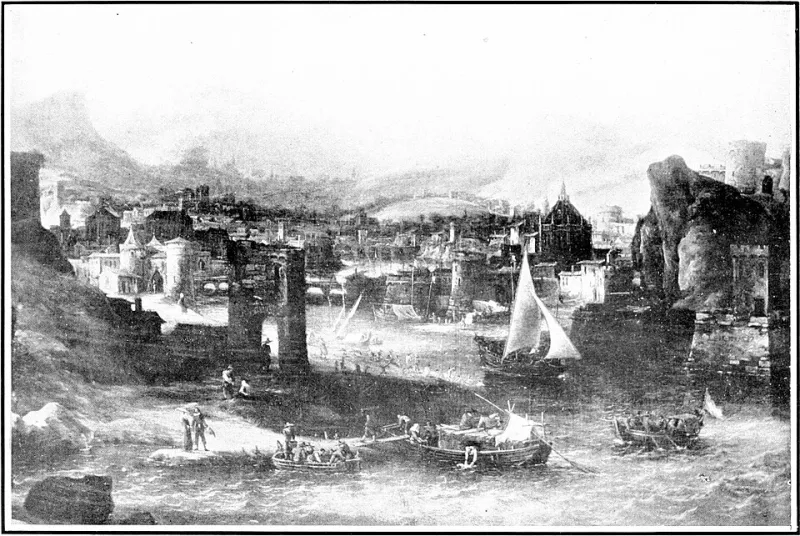
Photo: Jan Abrahamsz Beerstraaten, No restrictions, via Wikimedia Commons
Somewhere along the way, American beer drinkers adopted a single commandment: fresh or nothing. We flip bottles over. We squint at enjoy-by dates. We've turned "how fresh is it?" into the default question for judging every pour.
And look — for a hazy IPA loaded with Cryo hops, freshness absolutely matters. Those aromatic compounds are fragile, and a four-month-old NEIPA is a shadow of itself. Nobody's arguing that.
But somewhere between "IPAs fade fast" and "all beer must be consumed immediately," we lost the plot. We've built a beer culture that treats time as the enemy, when for a huge swath of the world's greatest beers, time is the co-brewer.
The Knee-Jerk Reflex
Watch what happens when someone finds an old bottle in the back of a fridge. The reaction is almost always the same: a wince, a date check, a decision that it's "probably bad now."
Sometimes that's right. Light-struck lager and oxidized pale ale are genuinely unpleasant. But apply that same reflex to a barleywine, a imperial stout, a Flemish red, or a bottle-conditioned Belgian quad, and you've just thrown away — or worse, chugged too early — a beer that was still climbing.
The date on the label is a guess made by a marketing department. It is not a verdict.
What Time Actually Does to Beer
Fresh beer is loud. Hops shout, esters sparkle, carbonation pricks your tongue. Time doesn't destroy these beers so much as it lowers the volume and lets the quieter instruments play.
In a well-built imperial stout, the roast and hop bite mellow over a year or two, and what emerges is chocolate, dark fruit, sherry-like depth from slow oxidation. In an old barleywine, the caramel sweetness integrates into something closer to a tawny port. In mixed-fermentation saisons and lambic-inspired ales, the funk itself softens and gains complexity in ways that simply cannot happen in a cold warehouse.
This isn't exotic knowledge — it's how beer was drunk for most of its history. The obsession with freshness is, historically speaking, the novelty. Shipping logistics and hop-forward styles made freshness a virtue, and somewhere along the line we let it become a dogma.
The Starter Cellar: Five Rules
If you want to age your first bottles, you don't need a wine cellar. You need a closet that stays roughly between 50 and 60 degrees, out of sunlight. That's most of the battle. Beyond that:
1. Start with the right styles. Imperial stouts, barleywines, old ales, Belgian quads, and anything bottle-conditioned with Brettanomyces or mixed cultures are your best candidates. Skip anything hop-forward, most lagers, and anything under 7% ABV unless it's sour.
2. Buy two. The classic move: drink one now, cellar one, and compare in a year. You'll learn more from that side-by-side than from any article — including this one.
3. Store bottles upright. Unlike wine, beer has a cork-and-cage problem, not a cork-wetness problem. Upright storage keeps sediment in the bottom and minimizes cork contact.
4. Cool and dark beats cold and bright. A 55-degree closet beats a 38-degree fridge with the door opening every hour, and beats a 72-degree shelf next to a window by a mile.
5. Write it down. Date the bottle when you cellared it. Future you is forgetful, and future you deserves tasting notes.
The Case for Patience
Here's the uncomfortable truth: part of the freshness obsession is impatience dressed up as expertise. Drinking a beer the day you buy it requires zero discipline. Waiting a year — wondering about it, resisting it, finally opening it — requires something our instant-gratification drinking culture doesn't practice much.
And the reward is real. A beer at peak maturity isn't just different from its fresh self; it's often better in ways that are hard to describe until you've tasted them. The flavors deepen, the edges round off, and the beer becomes something the brewer only partly made — the rest was finished by you, and by time.
So the next time you find a big bottle you love, buy two. Drink one tonight. Put the other one somewhere dark and cool, and forget the date.
The best beer in your collection might be the one you haven't met yet.