Patience in a Bottle: The Obsessive Craft of Aging Beer for Decades
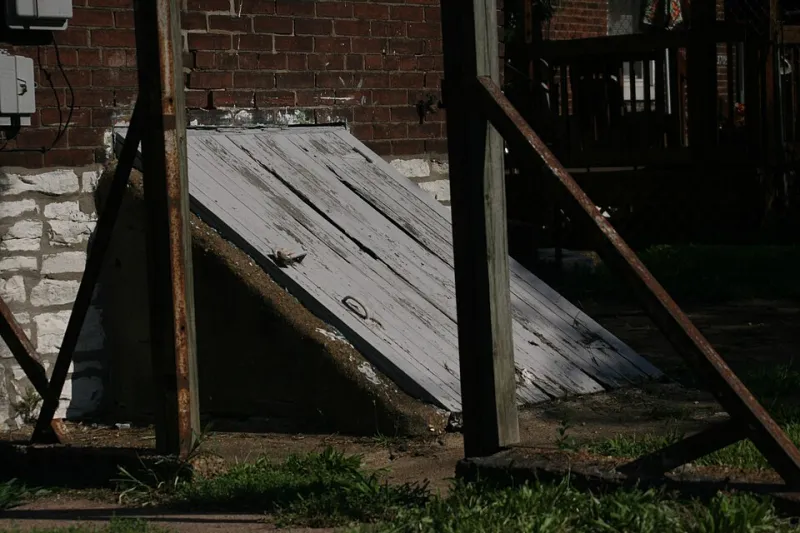
Photo: Paul Sableman, CC BY 2.0, via Wikimedia Commons
There's a bottle in a cellar in Vermont that hasn't been opened since 2003. The brewer who made it is now in his sixties. He's not sure he'll be the one to open it. That's kind of the point.
Welcome to the furthest edge of craft beer culture — a place where the timelines stop making ordinary sense, where a ten-year-old beer is considered young, and where the question isn't when should I drink this? but will I live long enough to find out?
Ultra-long-term beer aging is a niche within a niche, but it's a growing one. And the science behind what happens to beer over extreme timescales is fascinating enough to make even the most impatient drinker consider putting a few bottles away.
Why Beer Ages at All
Most beer is not designed to age. Your average IPA is a race against time — the hops that make it bright and aromatic are degrading from the moment it's packaged, and a six-month-old hazy can is a shadow of what it was. Freshness is the whole game.
But certain styles are different. High-alcohol beers — barleywines, imperial stouts, strong Belgian ales, some sour and wild ales — have the structural chemistry to not just survive extended aging, but to genuinely transform. Alcohol acts as a preservative. Residual sugars provide fuel for slow, ongoing chemical reactions. And the compounds responsible for flavor don't sit still; they break down, recombine, and evolve in ways that can take a beer somewhere it couldn't have gotten any other way.
The key reactions at play include Maillard browning (the same chemistry behind roasted coffee and seared meat), ester development, oxidation — which gets a bad reputation but in controlled, slow doses can add sherry-like and dried-fruit character — and the gradual softening of harsh tannins from wood-aged variants. Given enough time, these processes layer on top of each other in ways that defy easy description.
The Ten-Year Mark and Beyond
Most serious cellaring conversations happen in the one-to-five-year range. Push past a decade, and you're in territory where very few people have reliable data, because very few people have actually done it with enough consistency to draw conclusions.
What anecdotal evidence exists — from collectors who've cracked bottles at the fifteen and twenty-year marks — points to a few consistent themes. Sweetness tends to deepen and take on a more caramelized, almost molasses-like quality. Roasted notes in dark beers can mellow from aggressive to contemplative. Wild and sour ales can develop extraordinary vinous complexity, blurring the line between beer and something closer to an aged Madeira.
But there are also failures. Bottles that went flat. Beers that oxidized past the point of pleasure into something medicinal and hollow. The margin between transcendent and tragic, over twenty or thirty years, is genuinely difficult to predict.
The Brewers Betting on Deep Time
A small number of craft breweries are now deliberately engineering beers for extreme aging potential — thinking not just about the recipe but about the bottle, the seal, the storage conditions, and the communication with whoever eventually opens it.
Some have started releasing what they call "archive" or "legacy" batches — small-production runs explicitly labeled with suggested drinking windows that extend fifteen to twenty-five years out. A few have built formal cellaring programs, offering customers the option to purchase bottles that the brewery will store on their behalf under controlled conditions, to be claimed (or passed along) at a future date.
There's something almost philosophical about it. A brewer making a decision today that won't be evaluated for two decades. It's a kind of humility — an acknowledgment that the beer isn't fully yours once it's sealed, that time itself becomes a collaborator.
The Collector Side of the Equation
On the consumer end, a dedicated community of beer cellaring enthusiasts has developed its own infrastructure — temperature-controlled storage setups, meticulous cataloging systems, and online communities where members trade notes on aged bottles the way wine collectors discuss old vintages.
The culture borrows some of its language and ritual from wine, but it's distinct. Beer cellaring tends to be more democratic — you don't need a climate-controlled château. A cool, dark basement or a dedicated mini-fridge will do. And the community ethos, at least for now, skews toward sharing and documentation rather than speculation and resale.
Some of the most valuable bottles in serious cellars aren't rare in the traditional sense — they're simply old. A twenty-year-old barleywine from a respected small brewery is interesting not because it's scarce, but because it's a record of what that beer became over time. It's liquid history.
What Patience Actually Teaches You
There's a practical lesson buried in all of this, even for brewers and drinkers who have no intention of aging anything for twenty years. The discipline of thinking about a beer's long-term trajectory forces a different kind of attention to what goes into it — the quality of ingredients, the integrity of the process, the care taken at every stage.
At Deep Dark Wood, we think about our small-batch releases in terms of what they're doing right now and what they might become. Not every beer is built for the long haul. But every beer is built with the kind of attention that makes the question worth asking.
Some things are worth waiting for. Sometimes a very long time.