Roots, Bark, and Berries: Inside the Forager Economy Fueling Craft Beer's Wildest Releases
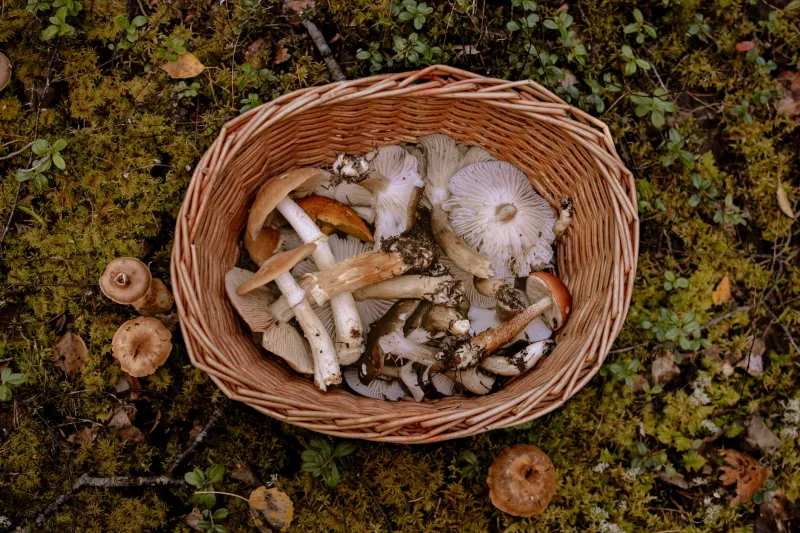
Somewhere in the Pacific Northwest, a woman named Dara is knee-deep in a Douglas fir grove before sunrise, filling a canvas tote with chanterelles. By Wednesday, those mushrooms will be sitting in a fermentation tank at a small brewery outside Portland. By spring, they'll be part of a 200-barrel limited release that sells out in under an hour.
This is the forager economy — and it's quietly becoming one of the most interesting supply chains in American craft beer.
The Wild Ingredient Pipeline Nobody Talks About
Craft brewing has always borrowed from the food world's obsession with provenance. Water chemistry, heritage grain varieties, single-origin hops — brewers have spent decades chasing the story behind their ingredients. But foraging represents something different. It's not just about sourcing locally. It's about sourcing from places that don't appear on any agricultural map.
Professional foragers — people who make a living harvesting wild botanicals, fungi, bark, berries, and roots from forests and meadows — have traditionally supplied high-end restaurants. The farm-to-table movement created a whole ecosystem of forager-chef relationships that made ingredients like ramps, pawpaws, and hen-of-the-woods mushrooms into culinary status symbols. Now, brewers are cutting in on that relationship.
"Chefs were our first real clients," says one Pacific Northwest forager who supplies several regional breweries. "Then about five or six years ago, we started getting calls from brewers. And honestly, they're some of the most fun people to work with because they're willing to experiment with things a chef might never touch."
That openness to experimentation is exactly what makes the brewer-forager pairing so productive. A chef needs an ingredient to behave predictably on a plate. A brewer needs it to survive a boil, play nicely with yeast, and contribute something interesting to a finished beer — a completely different set of constraints that actually opens up a wider range of raw material possibilities.
What's Actually Coming Out of the Forest
The ingredient list reads like a field guide to the American wilderness. Breweries across the country are working with foraged materials including:
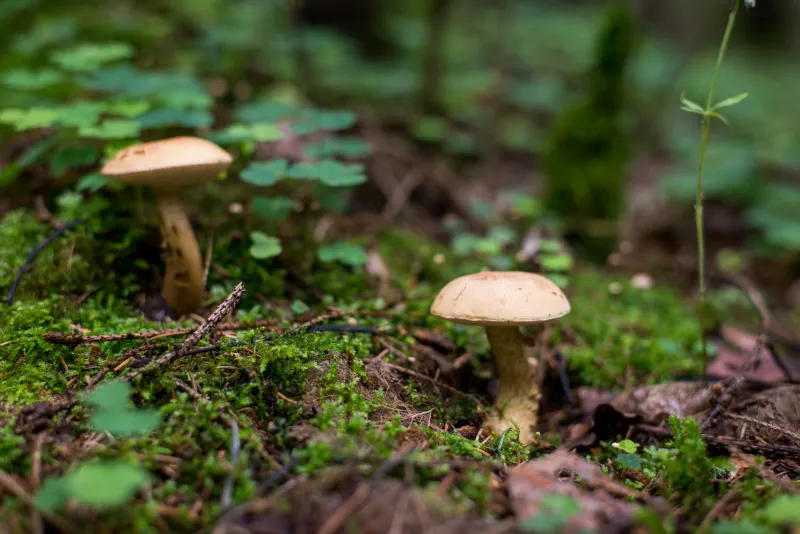
- Wild mushrooms — lion's mane, chanterelle, reishi, chaga — valued for their earthy depth and, in some cases, functional properties
- Spruce and fir tips, harvested in spring when they're still tender and bright with citrusy, resinous flavor
- Wild berries — serviceberries, huckleberries, pawpaws, and native persimmons — that offer flavor profiles no cultivated fruit can replicate
- Bark and roots — birch bark, sarsaparilla root, and spicebush berries that bring complexity to darker styles
- Flowers and herbs — wild bergamot, elderflower, yarrow, and goldenrod that can replace or augment traditional hop additions
None of these ingredients are new to brewing, historically speaking. Before the Reinheitsgebot standardized German beer in 1516, European brewers used a botanical blend called gruit that included yarrow, wild rosemary, and other foraged herbs. American craft brewers are, in a real sense, recovering a practice that industrial brewing buried for centuries.
The Sustainability Conversation You Can't Skip
Foraging sounds idyllic. In practice, it comes with a set of ethical and legal considerations that responsible breweries are taking seriously.
Harvesting wild plants and fungi from public lands — national forests, state parks, wilderness areas — is regulated at the federal and state level. Commercial harvesting typically requires permits, and rules vary significantly by location and species. Some foragers work exclusively on private land with landowner agreements. Others hold permits for specific public land parcels. The patchwork of regulations means that not all foraged ingredients arrive with the same legal clarity.
"We ask every forager we work with to document their sourcing," says a brewer at a Midwest brewery known for its wild-ingredient releases. "We're not just taking someone's word for it. We need to know the harvest was legal and sustainable, because if we're going to put this on our label and charge a premium for it, we have to be able to stand behind the whole story."
Sustainability is the other half of that equation. Over-harvesting is a real risk when demand spikes. Chaga, a fungal growth harvested from birch trees, has faced pressure in parts of the Northeast as its popularity has grown. Responsible foragers follow practices that leave enough behind to ensure regeneration — taking no more than a third of any given patch, rotating harvest areas, and avoiding sensitive or threatened species entirely.
The breweries building long-term forager relationships tend to be the ones who've thought hardest about these issues. Rather than treating foragers as one-off vendors, they're investing in ongoing partnerships that include conversations about harvest ethics, seasonal limits, and ecosystem impact.
A New Tier of Craft Beer
All of this complexity — the sourcing challenges, the sustainability commitments, the sheer unpredictability of wild ingredients — translates directly into price and scarcity. Foraged-ingredient beers sit at the top of the craft market's premium tier, often retailing for $20 to $40 per bottle and selling through almost immediately.
But the economics aren't just about cachet. Wild ingredients are genuinely expensive to source. A pound of ramp bulbs might cost a brewer ten times what they'd pay for a comparable cultivated allium. Chaga, reishi, and other specialty mushrooms command prices that reflect the labor involved in finding and harvesting them. When you're brewing a 200-barrel batch and the recipe calls for a meaningful quantity of hand-harvested spruce tips, that cost adds up fast.
For breweries willing to absorb those costs, though, the payoff goes beyond the revenue from a sold-out release. Foraged-ingredient beers generate a kind of storytelling that money can't easily manufacture. The beer exists because someone walked into a specific forest at a specific time of year and made a judgment call about what was ready to harvest. That specificity — that rootedness in a real place and a real moment — is exactly what a certain segment of craft beer drinkers is hungry for.
The Forest as a Collaborator
There's a philosophy embedded in this whole movement that resonates with how we think about brewing here at Deep Dark Wood. The forest isn't just a backdrop or a brand aesthetic. It's an active participant in what ends up in the glass. When a brewer works with a forager, they're not just buying an unusual ingredient — they're entering into a relationship with an ecosystem that has its own rhythms, its own seasons, and its own limits.
That relationship demands humility. You can't schedule a wild ingredient harvest the way you can schedule a hop delivery. You work with what the forest offers, when it offers it. That constraint forces creativity and keeps the final product genuinely rare.
For craft beer enthusiasts who've grown weary of "limited releases" that feel engineered rather than earned, that kind of authenticity is worth seeking out. Find a brewer who knows a good forager. Ask where the mushrooms came from. The answer might surprise you.