Char, Ash, and Ambition: Why Smoked Beers Are the Craft World's Most Polarizing Pour
Char, Ash, and Ambition: Why Smoked Beers Are the Most Polarizing Pour in Craft Beer
There's a moment — usually somewhere around the second sip — when a smoked beer either wins you over completely or sends you sliding the glass back across the bar. There's rarely a middle ground. And honestly? That's part of what makes this style so fascinating.
Smoke in beer isn't a new idea. It's actually one of the oldest. Before maltsters had precise kilning technology, virtually every malt was kissed by open flame, giving ancient ales a smokiness that modern drinkers would find almost unrecognizable. What's happening now in craft breweries across the US is something different — a deliberate, thoughtful return to smoke as a flavor tool, informed by everything from sustainable forestry practices to the sensory science of wood combustion.
At Deep Dark Wood Brewing, smoke isn't a gimmick. It's a language. And like any language, it takes time to learn.
What Actually Happens When Malt Meets Smoke
Let's start with the science, because the chemistry here is genuinely wild.
Smoked malt gets its character during the kilning process, when green malt — still wet from germination — is exposed to smoke from burning wood. The malt absorbs phenolic compounds, primarily guaiacol and syringol, which are the same molecules responsible for that distinctive campfire-and-hickory aroma you get from smoked meats or a wood-burning fireplace.
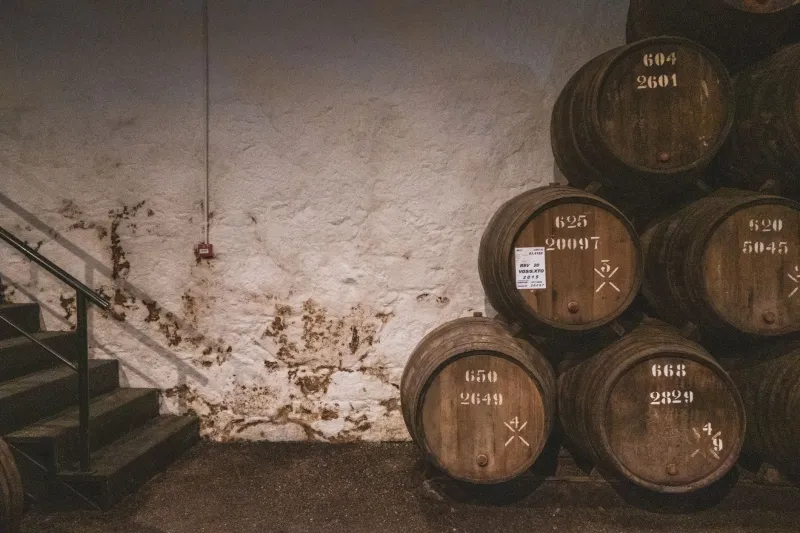
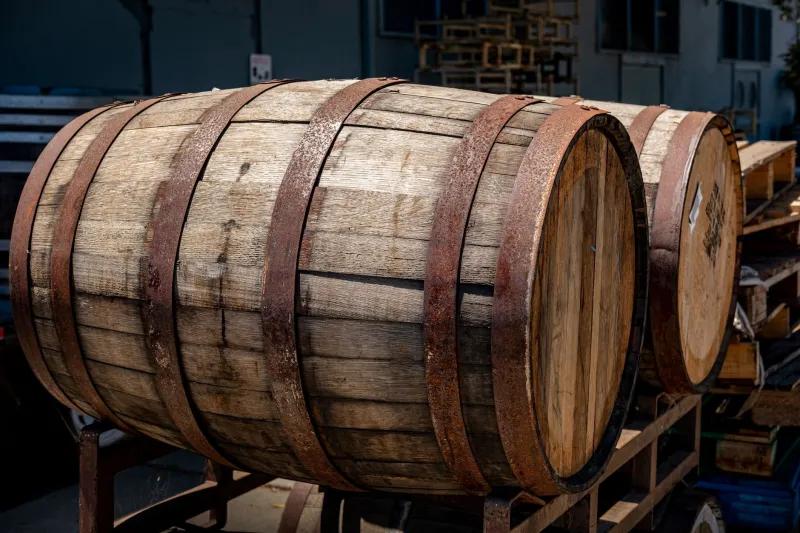
The type of wood used matters enormously. Beechwood, the traditional choice in German rauchbier production, delivers a clean, almost bacony smoke. Cherrywood pulls sweeter, fruitier notes into the equation. Mesquite — popular in Texas-style craft applications — hits harder and earthier. Oak brings tannins into play alongside the smoke, adding structure and a faint vanilla undertone depending on how the barrel was previously used.
But here's where it gets complicated: smoke compounds are volatile. They don't behave the same way at every stage of fermentation. Some phenols mellow out during the boil. Others intensify. Yeast strains can either amplify smoky characteristics or suppress them, depending on the esters and alcohols they produce during fermentation. What goes into the kettle and what ends up in your glass can be surprisingly different animals.
The Forest Connection
Craft brewers who work with smoke aren't just chasing flavor — many are actively thinking about where that smoke comes from and what it represents.
Sustainable forestry has become a genuine conversation in the brewing world, particularly among small-batch operations that source wood locally. Using chips, staves, or whole logs from responsibly managed forests — or even from controlled burns designed to reduce wildfire risk — ties the beer to a specific place and a specific ecological story.
In the American West, where wildfire management has become an urgent priority, some brewers have started exploring partnerships with forestry organizations that conduct prescribed burns. The wood salvaged from those operations, when properly processed, can be used to smoke malt or infuse finished beer in a way that's both flavorful and philosophically grounded. You're not just drinking a smoked porter — you're drinking a beer that came from land management, from conservation, from the complicated relationship between humans and forest ecosystems.
That's the kind of provenance story that resonates with craft beer drinkers who care about more than ABV.
The Infusion Question: Malt vs. Post-Fermentation Smoke
Not all smoke in beer comes from smoked malt. A growing number of brewers are experimenting with post-fermentation smoke infusion — cold-smoking finished beer, running it through smoking chambers, or resting it on smoked wood chips after primary fermentation is complete.
Each approach produces a different result.
Smoked malt tends to integrate more fully with the beer's base character. The smoke becomes part of the beer's backbone rather than a layer sitting on top of it. It's subtle in lower percentages, assertive when you push the grist bill toward 50% smoked malt or beyond.
Post-fermentation infusion, by contrast, adds smoke as a finishing note — more aromatic, sometimes sharper, with less time for the flavors to marry. Done carefully, it can create a beautifully complex sensory experience. Done carelessly, it can make your beer taste like someone dropped a cigarette in it.
The technique matters. So does restraint.
The Great Smoke Divide
Here's where things get a little spicy — and not just from the wood.
Smoked beers are genuinely controversial in the craft beer community. Traditionalists, particularly those with deep appreciation for German-style lagers and British ales, often approach smoke with skepticism. There's a long-standing argument that smoke overwhelms the nuance of good malt character, that it's a blunt instrument in a craft that rewards precision.
Adventurous drinkers — and there are a lot of them — push back hard on that take. They argue that smoke is just another flavor dimension, no different from hops or roasted barley, and that the resistance to it says more about comfort zones than about brewing quality.
Taproom data, at least anecdotally, suggests that smoked beers perform best when they're introduced thoughtfully. A smoked märzen or a lightly smoked wheat beer tends to convert skeptics more effectively than a full-throttle rauchbier that hits like a campfire in a glass. Entry points matter.
Food pairing helps, too. Smoked beers alongside barbecue, charcuterie, or aged cheeses make an almost unfair amount of sense. The shared flavor compounds create harmony rather than competition, and suddenly the person who was hesitant about that pint is asking for a second.
What the Best Smoked Beers Actually Taste Like
At their best, smoked beers are transportive. A well-executed rauchbier from a small-batch brewer using locally sourced beechwood malt doesn't just taste smoky — it tastes like a specific place. Like a fire built at dusk in a clearing somewhere deep in the woods. Like the air after a controlled burn when the land is starting to breathe again.
The complexity that good smoke brings to a beer isn't just about phenols and guaiacol. It's about the way smoke interacts with sweetness, with roast, with carbonation. A smoked stout where the char of the malt plays against the smoke of the wood creates layers that take multiple sips to fully unpack. That's what small-batch brewing is for.
It's not for everyone. It was never going to be.
But for the drinker willing to lean into the unfamiliar — to sit with a pint that challenges rather than comforts — smoked beer offers something that few other styles can match: a direct, almost primal connection to fire, forest, and the long human history of both.
That's a story worth telling, one slow, smoky sip at a time.