Five Taprooms at the End of the Road: A Pilgrim's Map for the Dedicated Beer Drinker
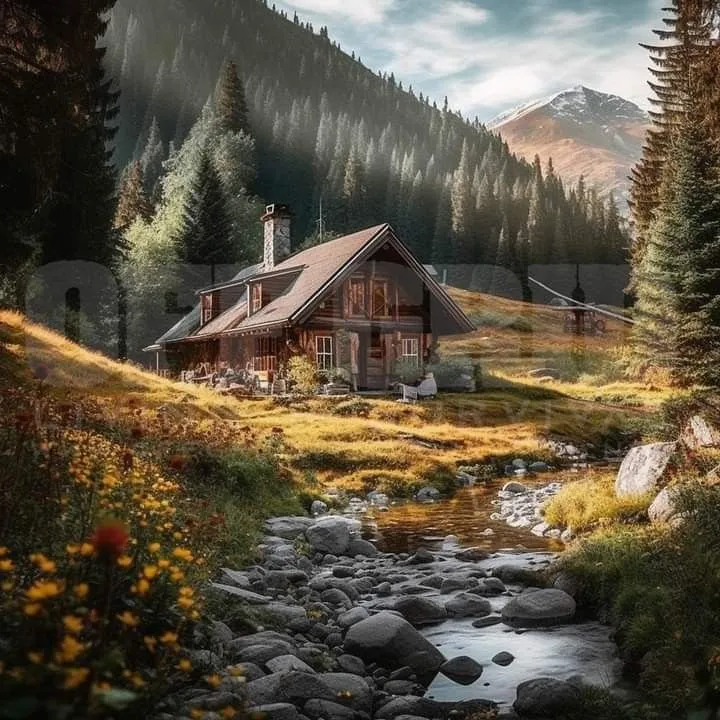
Photo: remote rustic brewery cabin mountains gravel road craft beer, via i.pinimg.com
There's a specific feeling that arrives somewhere around mile marker 40 on a gravel road, phone signal long gone, when you start asking yourself whether a beer can really be worth this.
It can. We've checked.
America's most memorable taprooms aren't in downtown warehouse districts. They're at the end of logging roads, halfway up mountain passes, tucked into valleys where the water source and the solitude are part of the recipe. This is a guide for the beer drinker who believes the drive is the first pour.
1. The Mountain Hollow Brewery — Western North Carolina
Tucked into a cove off the Blue Ridge Parkway, this four-barrel operation brews with water from its own spring and ages everything in a cellar that stays a perfect 55 degrees year-round without a single chiller. The foeder-aged lagers alone justify the switchback-laden drive. Go in October when the leaves are doing their thing and the taproom porch becomes the best seat in Appalachia.
The trek: Fly into Asheville, rent a car with decent clearance, and accept that the last twenty minutes will test your faith.
2. The Northwoods Farmhouse Taproom — Northern Wisconsin
Two hours north of Green Bay, deep in lake country, this farmhouse brewery grows a portion of its own grain and ferments with house cultures that have lived on the property for a decade. The saison program is genuinely world-class, and the only competition for your attention is the loons on the lake behind the brewhouse.
The trek: Pair it with a cabin weekend. There's nothing else out there, and that's precisely the point.
3. The High Desert Barrel Works — Central Oregon
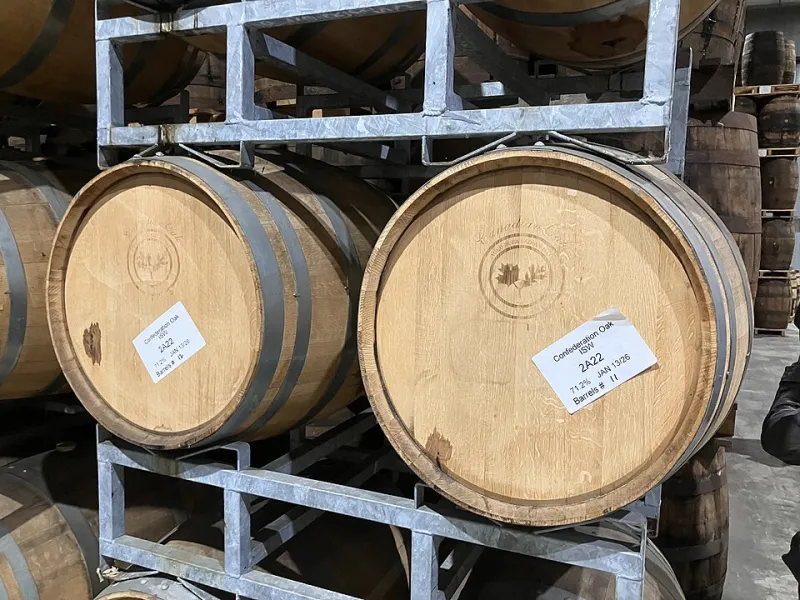
Out past Bend, where the ponderosas start winning and the cell service surrenders, this one-man operation fills retired Oregon oak barrels with wild ales and lets the high desert's dry air and dramatic temperature swings do the rest. The bottles he releases twice a year sell out in hours — mostly to people who made the drive.
The trek: Time it to a release weekend. Check the website, not social media — the signal out there barely loads a map.
4. The Coastal Fog Brewing Shed — Northern California
North of Mendocino, where Highway 1 gets narrow and the fog rolls in like it's paying rent, this seaside shed brewery cools its wort with ocean air and brews a kellerbier that tastes like the mist looks. Bring a jacket. Bring cash. The honor-system merch fridge tells you everything about the clientele.
The trek: Take the scenic route up the coast and give yourself a full day. This is not a detour destination; it's the destination.
5. The Valley Floor Brewing Company — Western Montana
An hour from the nearest interstate, ringed by mountains that hold snow into July, this brewpub runs on glacier-fed water and a wood-fired kettle. The rauchbier here, made over local alder wood, is the kind of thing you'll describe to people for years afterward, poorly.
The trek: Fly into Missoula, point yourself northwest, and don't schedule anything else that day.
Planning Your Own Pilgrimage
A few ground rules from people who've learned the hard way:
- Check hours twice. Remote breweries often run weekend-only or by-appointment. Call. Yes, call.
- Fill the tank before the last hour. Gas stations get theoretical fast in beer country.
- Buy bottles when you can. Small operations live on to-go sales, and that bottle in your fridge is a souvenir that actually works.
- Talk to the brewer. Out there, the person pouring is usually the person who brewed it. That conversation is half the trip.
- Have a driver or a plan. Remote roads and tastings don't mix. Split flights, spit if you must, and earn the last pour responsibly.
Why the Miles Matter
Something happens to beer when you've earned it. The same saison tasted in a city taproom is good; tasted after a two-hour drive through northwoods pines, with lake water in the brewing and loons calling outside, it becomes a memory with a flavor attached.
Terroir isn't just what's in the ground. It's what it took to get there.
So pick one. Load the car. And when someone asks why you drove three hours for a beer, hand them the glass and let them figure it out.