The Forest Board: Eight Woodland Bites for Dark Beer Season
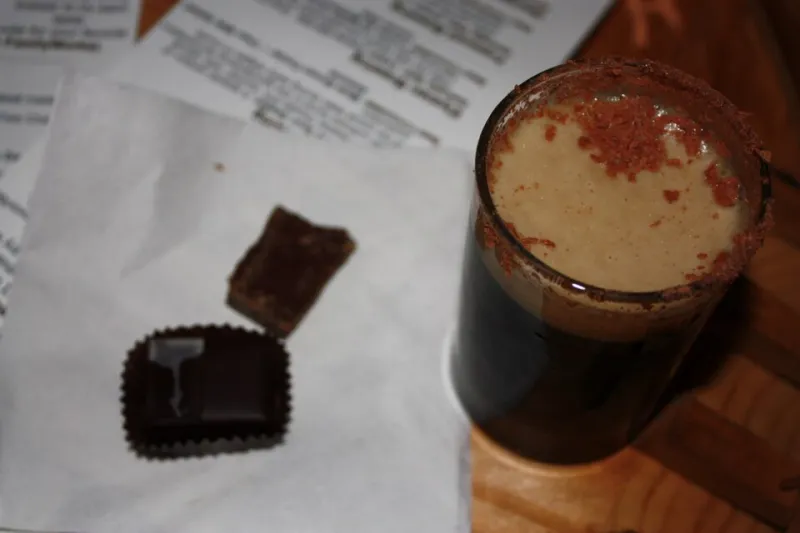
Photo: Leslie Seaton from Seattle, WA, USA, CC BY 2.0, via Wikimedia Commons
Dark beer deserves a better spread than a bowl of pretzels and a cube of cheddar. Not that there is anything wrong with either—they work—but stout, porter, and black lager have more range than most party boards allow. At Deep Dark Wood Brewing, we think of a pairing board the way we think of a small-batch brew: start with structure, then layer in contrast. The goal is not to bury the beer under a pile of charcuterie. It is to build eight small bites that make the roast, the sweetness, and the carbonation show up in different ways.
Begin with the malt, not the menu
Roasted barley and black malt bring bitterness, cocoa, coffee, dried fruit, and sometimes a little ash. Those flavors can flatten under soft, sweet foods, and they can turn harsh next to too much acid. The board has to do two jobs at once: echo the beer's darker notes and lift them so the pour does not taste like one long, heavy chord.
That is why the best dark-beer boards lean on four levers: fat, salt, umami, and acidity. Fat softens bitterness and carries aroma. Salt makes sweetness and roast feel more precise. Umami adds depth without sugar. Acidity cuts through the rich middle of a porter or barrel-aged stout and resets the palate. Get those four in balance and you can pair almost any dark beer on the table.
The eight-bite blueprint
This is a flexible board, not a rigid recipe. Use it as a shopping list and adjust for what looks good at the market.
-
Roasted cremini and shiitake mushrooms with thyme. Halve them, toss with olive oil and salt, and roast at high heat until the edges darken. Mushrooms bring umami and a forest-floor earthiness that flatters porter and brown malt.
-
Smoked almonds. Buy them plain and warm them briefly in a dry pan. The salt and smoke bridge to smoked malt and roasted barley, while the fat keeps the beer from tasting sharp.
-
Dark rye toast with cultured butter. Rye's faint sourness and seed-like flavor pick up the spicy, bready side of dubbels and Baltic porters. Keep the slices small and thin.
-
Aged gouda. Look for the crystalline, nutty kind. The crystals give a little crunch, and the aged cheese has enough salt and savor to stand beside a stout without disappearing.
-
Fig jam with black pepper. Sweetness alone can make dark beer taste flabby. A small spoonful of fig jam with a crack of pepper adds fruit, acid, and heat in one bite.
-
Miso-roasted pecans. A light coat of white miso, a drizzle of maple, and a hot oven turn pecans into a salty-sweet umami bomb. This is the bite for imperial stouts and barrel-aged releases.
-
Quick-pickled cherries or cranberries. Acid is the board's reset button. A tart pickled fruit wakes up the palate between sips of black lager or smoked porter.
-
Cocoa nib and oat shortbread. The nibs bring roast without sugar overload; oats add a soft, toasty base. This is the bridge to chocolate and coffee notes in stout.
Pairing by style, not by rule
A milk stout likes the fig jam and aged gouda. The residual sugar in the beer meets the fruit, and the cheese's salt keeps the finish from turning cloying. A robust porter is happiest with the mushrooms and rye toast; the earthy notes line up, and the acidity in the pickled cherries keeps the roast from stacking up. Black lager is the most flexible beer on the board. Serve it with smoked almonds and pickled fruit first, then move toward the cocoa shortbread as the glass warms.
For a barrel-aged stout, put the miso pecans and aged gouda near the glass. The beer has enough intensity to handle them, and the salt and umami keep the oak and dark fruit from feeling syrupy. If you are pouring a dubbel, start with rye toast and gouda, then finish with fig jam. The beer's dried-fruit character will make more sense with a little acid beside it.
Build the board for tasting, not decorating
Small pours are the secret. A two-ounce pour is enough to taste with food; a full pint will dull your palate before the third bite. Serve dark beers at about 50 to 55 F. Too cold and the roast turns blunt; too warm and the alcohol can dominate. Set out water and plain crackers, not as filler but as tools for resetting between samples.
Keep the board itself simple. Use small bowls for the jam and pickles, a slate or wood plank for the cheese and toast, and a few forks so people can move bites without dragging flavors across the board. Do not crowd it. Eight bites are plenty for four to six people, especially if you are pouring three or four beers.
A seasonal ritual worth repeating
The darkest weeks of the year are made for this kind of eating: earthy, salty, a little smoky, and slow. You do not need a formal tasting room or a stack of tasting cards. You need a few good ingredients, a bottle of stout or porter you actually want to pay attention to, and enough space on the table to notice how one bite changes the next sip.
That is the Deep Dark Wood approach to a pairing board: forest-deep flavors, small-batch attention, and no pretzel in sight unless it earns its place.