Eight Ounces of Honesty: Why the Pint Is the Wrong Default
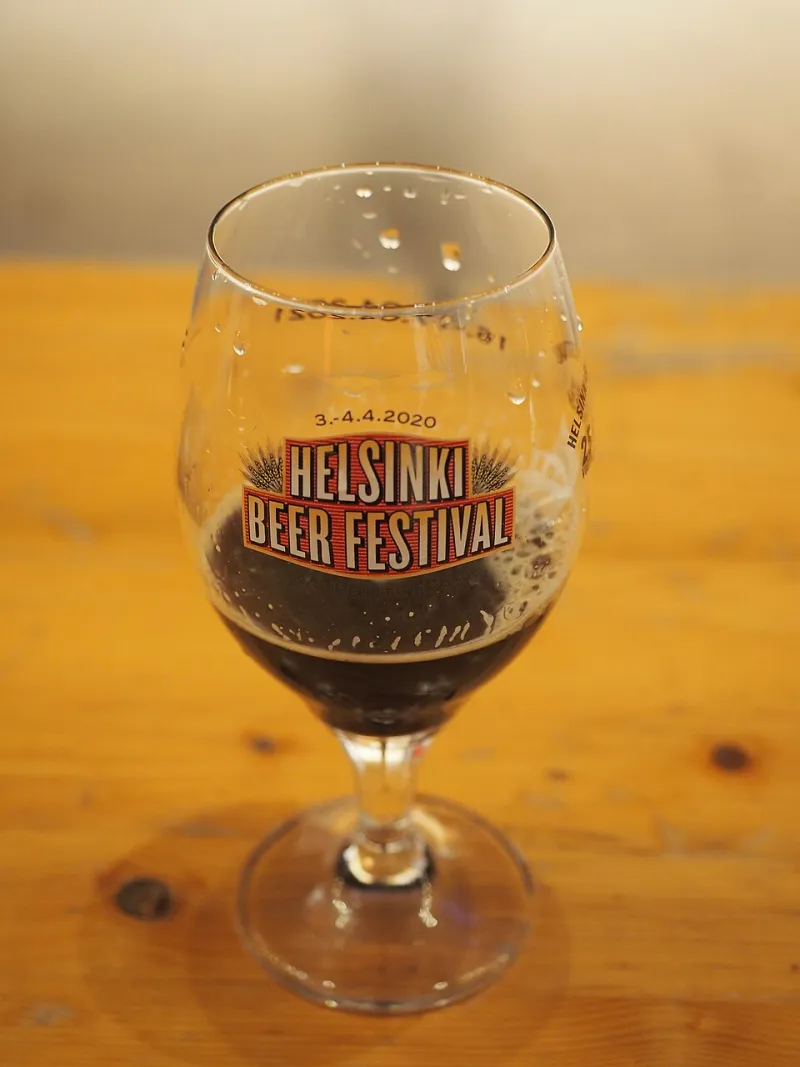
Photo: JIP, CC BY-SA 4.0, via Wikimedia Commons
Walk into almost any American taproom and the menu tells you what to expect: sixteen ounces, or something close to it, for every beer on the board. The pint is the default, the safe choice, the thing you order when you do not want to think too hard. That is exactly the problem. A pint is not a tasting vessel. It is a commitment. And in a craft beer culture that keeps talking about flavor, nuance, and discovery, we are still handing people the largest possible glass and wishing them luck.
The pint is a commitment, not a tasting tool
A US pint is sixteen fluid ounces, though what actually arrives at the table is often less once the foam settles and the glass shape gets involved. Either way, it is a lot of beer. For a 4.2% dark mild, that might be fine. For a 10% barrel-aged stout, it is a test of endurance. For a hazy IPA loaded with late-addition hops, it is a race against time: the aromatics fade, the beer warms, and the last third tastes like a different, sadder beverage.
Beer is not static. It changes in the glass. Carbonation lifts and then softens. Volatile aromatics drift off. Temperature rises. The first sip is bright and the last sip is warm and brooding. A pint gives you the whole arc whether you wanted it or not. An eight-ounce pour gives you the arc in miniature — enough to experience the beer, not enough to get stuck with it.
What eight ounces buys you
A half-pour is not a sample. It is a full experience with less volume. That distinction matters. Samples are for deciding. Half-pours are for drinking. They let you sit with a beer, take a proper mouthful, and notice how it changes as it warms. They make it reasonable to order a second style without turning the visit into a flight-board performance. They let a high-ABV beer be a pleasure instead of a project.
They also make taprooms more accessible. Not everyone wants sixteen ounces of anything. Not everyone can drink that much and drive home safely. Not everyone can spend pint money across three beers just to figure out what they like. A smaller pour with a fair price opens the door without making anyone feel like they are ordering from the kids' menu.
The flight is not the answer
Flights have their place. They are fun, they are social, and they are useful for a first visit. But not every taproom trip needs to become a board of tiny glasses with a numbered coaster. Flights can feel like homework. They can push people toward quantity-over-quality choices. And they often serve beers too cold, too small, and too fast to show what they can do.
The half-pour sits in the sweet spot. It is bigger than a sample, smaller than a pint, and flexible enough to be casual or serious. It says: here is a real beer, in a real glass, at a size that respects your palate and your evening.
Waste, pacing, and the economics of a smaller glass
Let us talk about the unfinished pint. Every taproom has seen it: the half-drunk glass left on the table, the beer that looked better on the menu than it tasted, the imperial stout that won the first three sips and lost the fourth. That is waste — waste for the drinker, waste for the brewery, waste for the server who has to clear it.
Smaller pours do not eliminate waste, but they reduce the cost of curiosity. They let a drinker take a chance on a smoked porter or a Brett-aged saison without signing up for a full sixteen ounces. They also improve pacing. A table full of half-pours is a table full of conversation, not a race. People order more thoughtfully, tip more comfortably, and leave happier.
The economics need honesty. A half-pour should not be priced at half the pint if the glass, the labor, and the pour cost do not work. It should be priced as its own thing: a real serving with real value. Brewers should not use smaller glasses to hide price increases, and drinkers should not expect a half-pour to be a bargain-bin loophole. Charge fairly, explain the size, and let the glass do the rest.
Make it a real pour, not a penalty
The glassware matters. A tumbler, a small tulip, a stemmed glass, a half-pint — the vessel should flatter the beer. Do not serve a delicate dark lager in a thimble. Do not serve a barrel-aged stout in a glass so small that the aroma has nowhere to go. Eight ounces in the right shape can be more generous than sixteen ounces in the wrong one.
The menu matters, too. List half-pours plainly. Do not bury them in fine print or make them feel like a secret handshake. Train staff to recommend them without a hint of apology. If a guest wants a pint, pour a pint. If a guest wants eight ounces of the smoked rye porter and eight ounces of the dry stout, make that easy.
Some states have rules about serving sizes, and taproom licenses vary. Brewers should work with regulators rather than around them. But where the law allows flexibility, the pint should not be the only answer.
A modest proposal for the taproom
The pint is not the enemy. The default is. A good taproom should offer choice: a pint for the session beer, a half-pour for the big stout, a small glass for the strange barrel project, and a full pour for the regular who knows exactly what they want.
At Deep Dark Wood, we like a glass that lets the beer breathe and the drinker decide. Eight ounces of honesty beats sixteen ounces of obligation. The pint can stay. It just should not be the only way in.